

Advanced telemetry for all rotating systems
Develop, certify and perform MRO confidently by streaming real‑time, high‑bandwidth data from the in-motion under-test sensors of your rotating system. Our decades-proven system reduces instrumentation time, cuts cabling weight and failure points, and integrates seamlessly with your DAQ/analysis workflow and unit under test based on application-specific mechanical fit.
Applications
Application industries we serve.
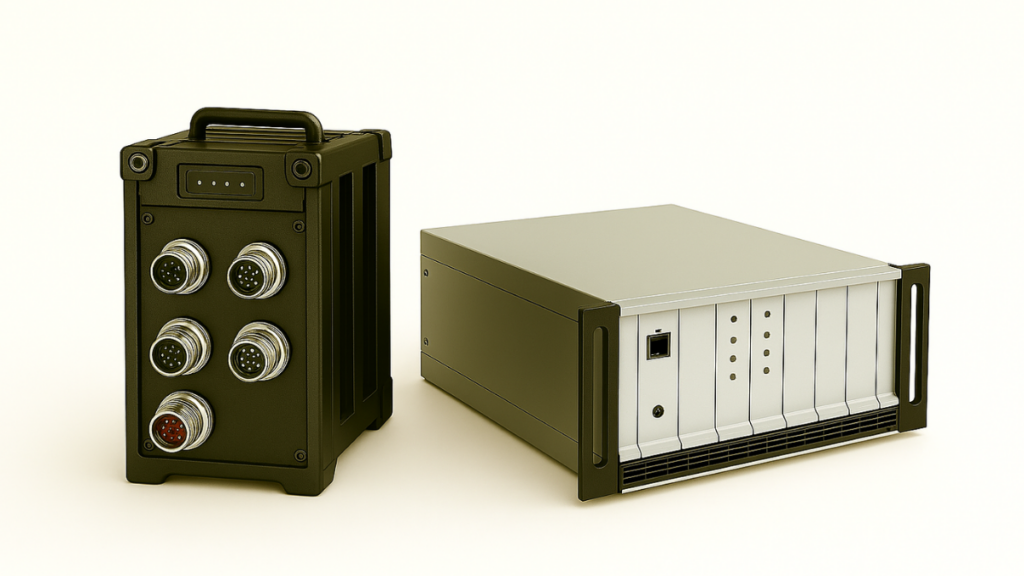
Data receiver (stationary)
- Robust antennas and rugged RF receiver for stable throughput.
- Decodes and streams the filtered and amplified real-time telemetry data.
- Capability for analog or digital signal output.
- Portable compact receivers for mobile applications.
- Rack-mounted receivers for industrial measurement systems and test labs.
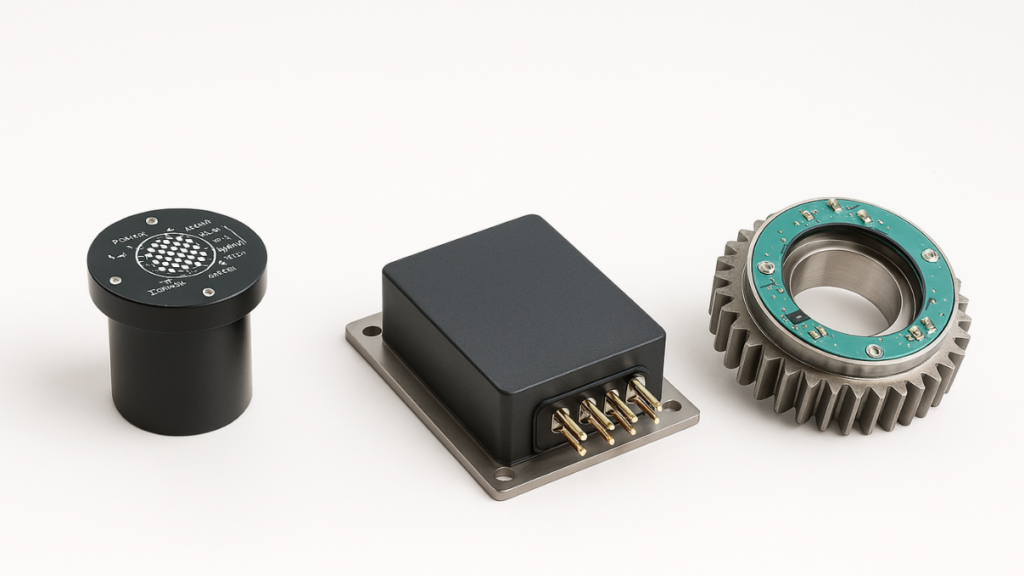
Data transmitter (rotating)
- Compact, balanced form factor for low and high‑RPM shafts.
- Low mass and inertia
- Wide range of designs to fit specific applications, including drive shafts and customer-specific geometries.
- Single or multi‑channel A/D near the sensors:
- Strain,
- Torque,
- Vibration,
- Acceleration,
- Temperature,
- Inertial,
- etc.
- Environmental hardening: temperature, oil, moisture, gas, vibration, shock, etc.
- Tool‑friendly alignment aids for quick, repeatable installs.
- Robust RF link.
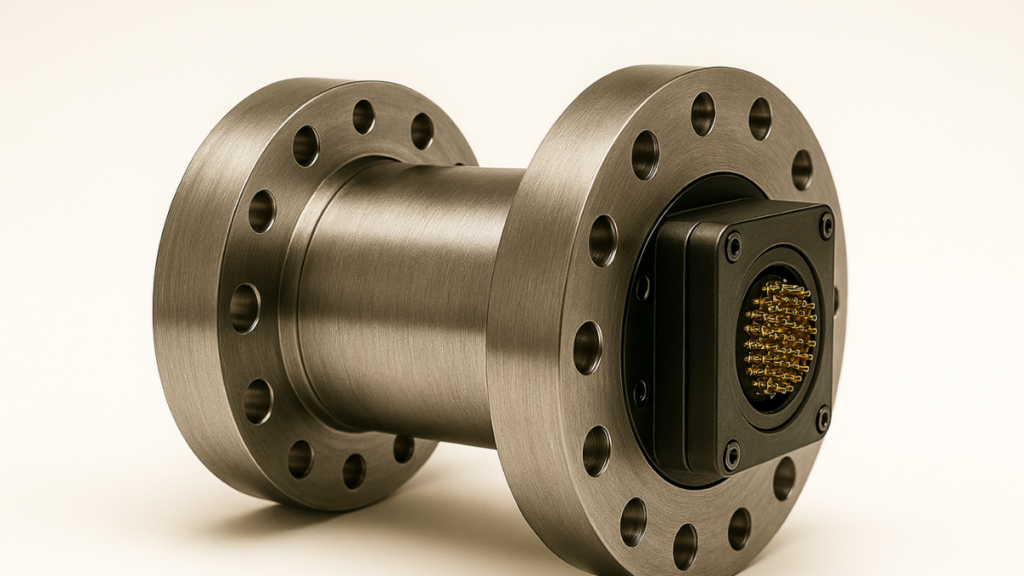
Mechanical integration
- Paramount importance due to unique mechanical constraints of each application.
- Bespoke drill and no-drill options available — clamp collars, custom brackets, housings and enclosures.
- Engineered for durability in harsh test environments, including high temperatures, vibration and other harsh test conditions
- Balanced mounting kits to maintain shaft dynamics.
- Capability to accommodate rapid install/remove procedures that minimise downtime.
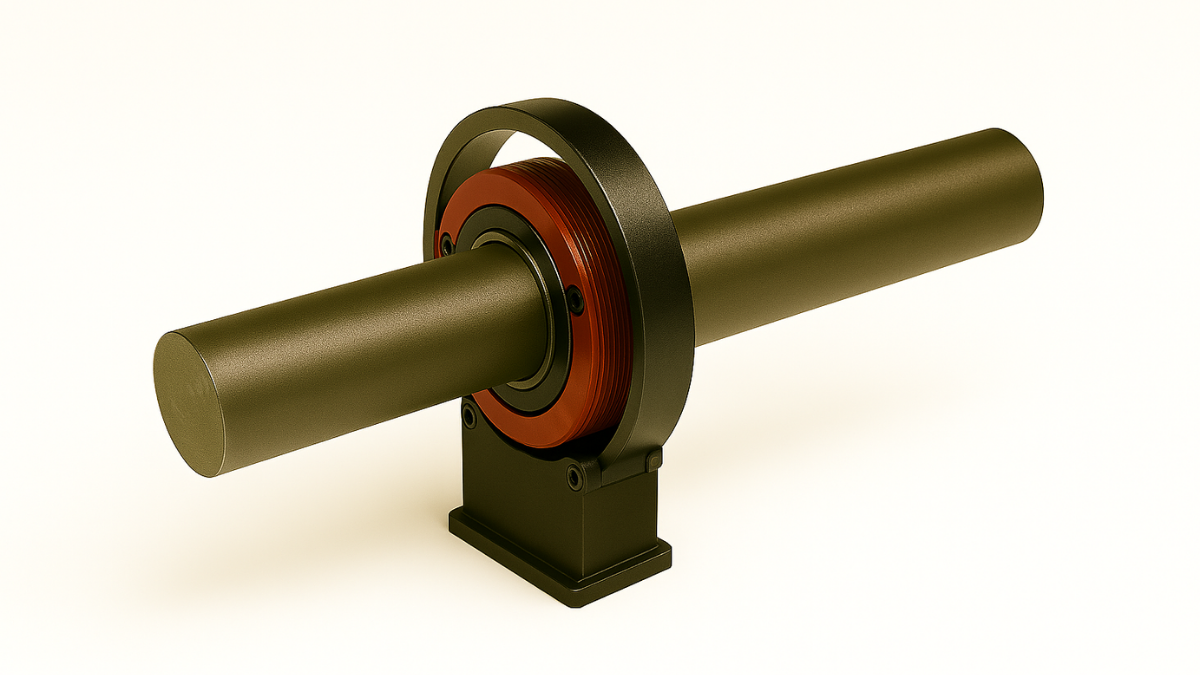
Power supply
Flexible power supply:
- Inductive power ring options for continuous test‑cell operation, or constrained applications.
- Battery modules for track/field free-moving tests.
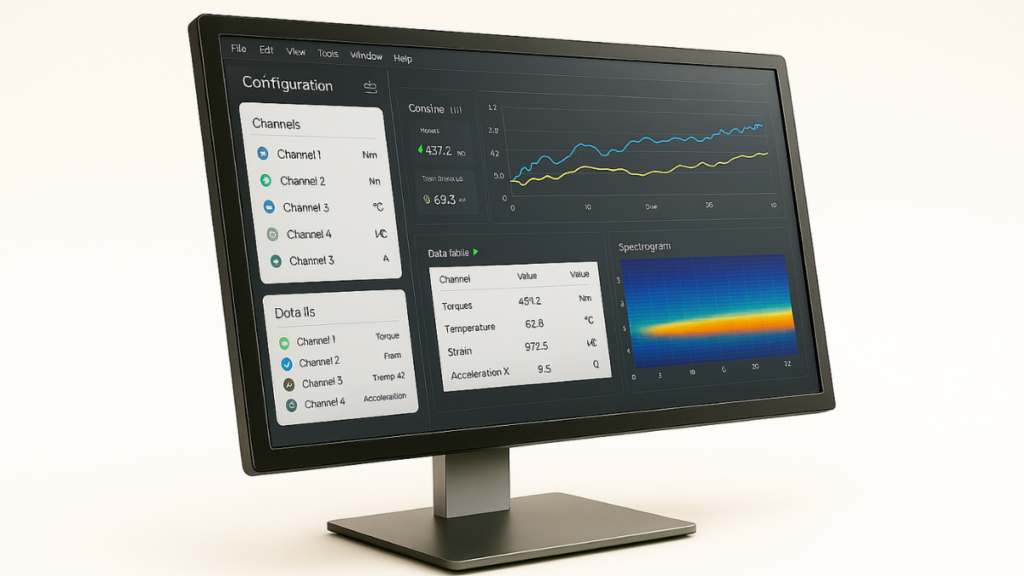
Software (optional): GUI & Analysis
- Intuitive setup and browser-based user application, for system setup, configuration and power management.
- Ethernet interface.
- Real‑time views.
- Batch export to wide range of APIs (MATLAB®, CSV, etc.).
- Sensor signal conditioning wizards.
- Report templates for run‑to‑run comparison.

Applications
- Aerospace – Engine, rotorcraft, propulsion, wind tunnel tests, turbofan testrigs, compressor tests, gear tests, powertrain testing, etc.
- Helicopter – Main/tail rotor, gearbox, mast torque/strain, etc.
- Automotive – Engine, powertrain, e‑axle, transmission, dyno, etc.
- Naval – Azimuth thruster, propshaft, dampers, piston, gear drive, fuel pump, etc.
- Rail – Traction motors, wheelsets, gearboxes—analogous harsh rotating assets.
- Industrial – Shafts, pumps, turbines, compressors, production and maintenance environments.
- Energy / Infrastructure – Wind turbine testing, turbomachinery, component test stands, gas turbine testing, turbochargers, etc.
- R&D Institutes and Technical Universities.
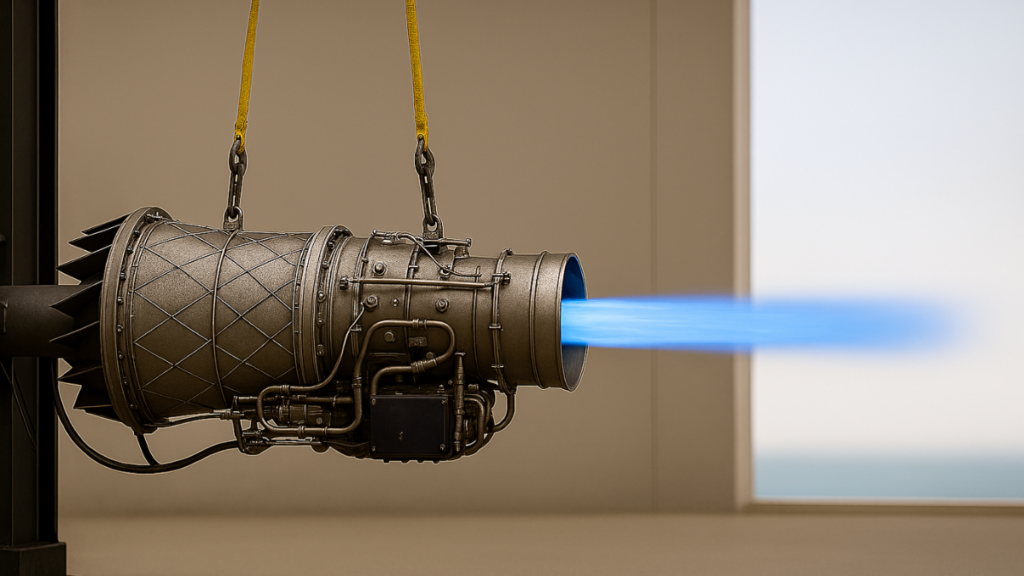
Aerospace propulsion testing
- Case objective: Enable continuous torque, strain, and vibration measurement on high‑pressure‑turbine and accessory‑drive shafts during endurance runs with local buffering to ride through RF shadowing.
- Other information: Installation on critical shaft sections; low mass to preserve balance. Multi‑channel acquisition synchronised to facility timing for modal/thermal correlation. Operates through thermal transients and harsh environments common in test cells. Mechanical integration engineered to minimise structural impact for post‑test teardown.
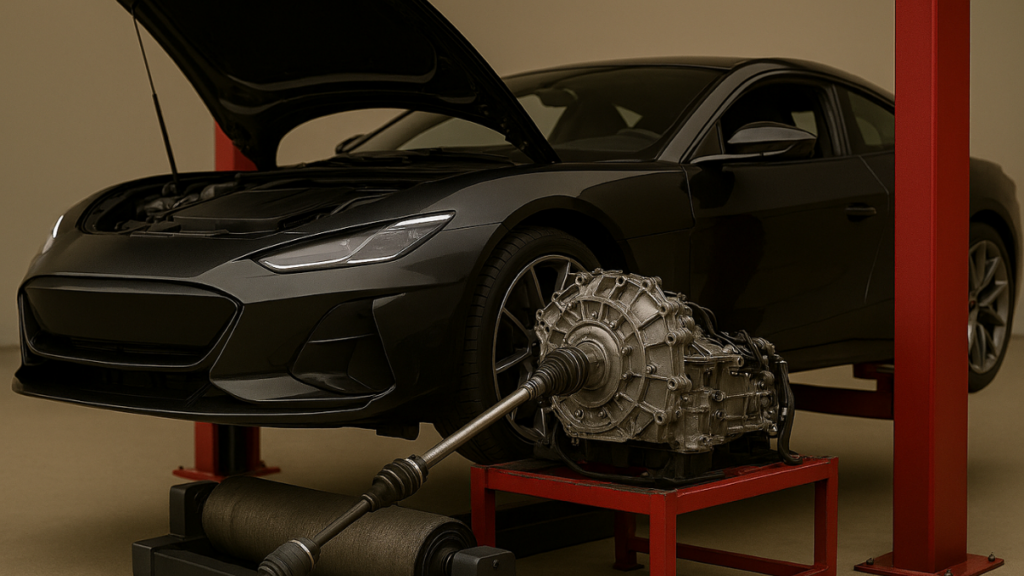
Automotive powertrain testing
- Case objective: Measure shaft torque, gear‑mesh vibration, and bearing temperatures across ICE, HEV, and EV drivetrains on dynos and tracks, reducing harness weight and setup time across iterative campaigns.
- Other information: On‑rotor digitisation near strain gauges and accelerometers reduces noise. Hot‑swap battery packs for long endurance or use inductive rings on test rigs. Local recording complements live streaming to DAQ; no data loss during RF fades. Supports end‑of‑line acceptance, NVH, durability, and thermal correlation tests.

Helicopter rotor MRO testing
- Case objective: Instrument main‑rotor mast and tail‑rotor drive for real‑time torque/strain and gearbox vibration to validate lubrication changes and maintenance intervals—no drilling on flight‑critical structural hardware.
- Other information: Clamp‑on collars and protective fairings withstand rotor wash and FOD risks. Battery or inductive power depending on ground‑run vs tethered tests. Live order tracking to identify gear‑mesh anomalies before they escalate. Integrates with fleet‑maintenance analytics via Ethernet/USB exports.
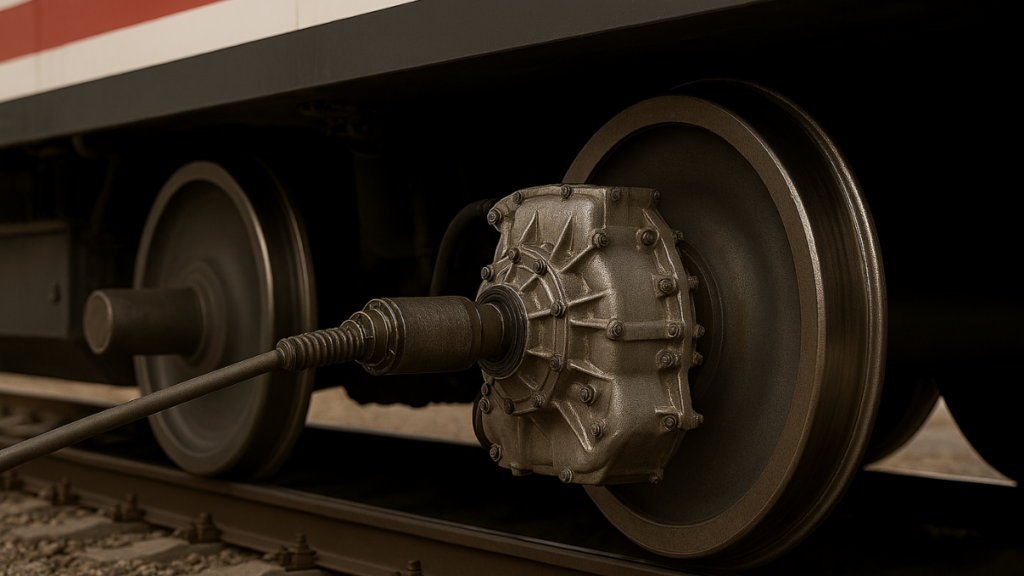
Railroad testing (MRO)
- Case objective: Instrument wheelsets and traction‑motor drive shafts to capture torque, axle strain, and bearing temperatures during high‑load, high‑speed runs, enabling proactive maintenance without slip rings.
- Other information: Low‑profile hardware clears brake/disc geometries and ballast ingress. Reception copes with carbody shadowing; time‑sync to train databus. Ruggedized enclosures for dust, moisture, and shock typical of rail operations. Rapid install/remove to keep rolling stock in service between trials.